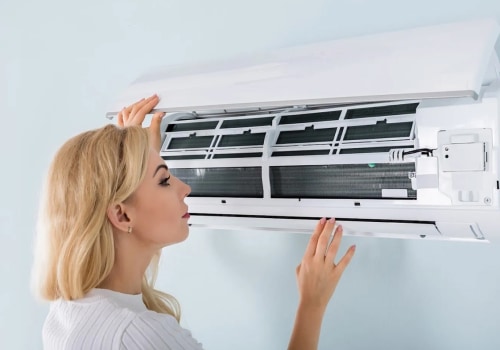
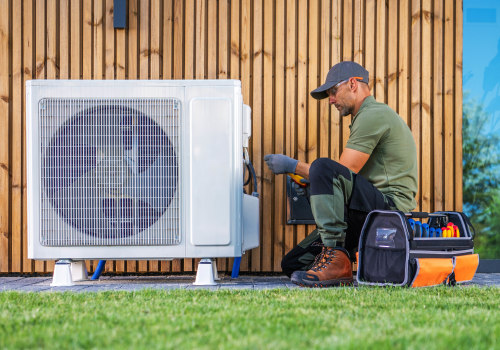
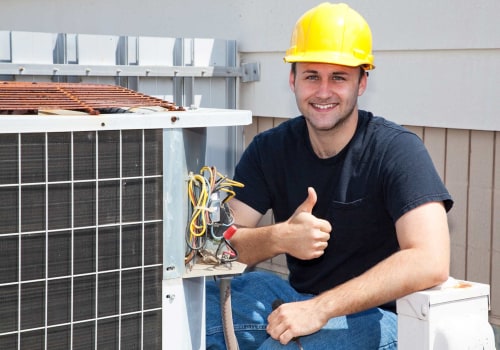
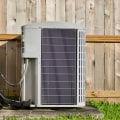
Post-installation HVAC maintenance is the foundation for ensuring that a newly installed system performs at peak efficiency from day one. After installation, construction debris such as dust, insulation fibers, metal shavings, and drywall particles often remain inside ductwork, around vents, and on mechanical components. Even a brand-new HVAC system can suffer immediate performance issues if this residue is not properly removed. Early maintenance includes verifying airflow balance, confirming thermostat calibration, inspecting electrical connections, and ensuring that filters are correctly installed and free of contamination. This initial phase protects the system from early strain, prevents airflow restrictions, and establishes a clean operational baseline that directly influences long-term performance and energy efficiency.
Why Whole-Building Cleaning Must Follow Installation
While HVAC maintenance focuses on the system itself, whole-building cleaning addresses the environmental impact of the installation process. HVAC projects disturb ceilings, walls, floors, and utility spaces, releasing fine dust that settles throughout the entire building. This dust becomes airborne with normal activity and is immediately pulled back into the new HVAC system, undoing the benefits of the installation. Whole-building cleaning removes this loose particulate matter from floors, furniture, vents, baseboards, and hard-to-reach areas, preventing immediate recontamination. Without this step, even the most advanced HVAC system will circulate polluted air from the very beginning of its operation.
Protecting Air Quality From the Start
Fresh indoor air quality should be one of the main benefits of a new HVAC system, yet it is often compromised when post-installation cleaning is skipped. Dust, chemical residue, and microbial particles left behind from construction instantly enter the air circulation cycle. This can lead to respiratory irritation, odors, and visible dust accumulation shortly after installation. A coordinated approach that combines HVAC maintenance with whole-building cleaning ensures that clean air delivery actually begins as intended. The system starts its service life distributing purified air instead of redistributing leftover construction contaminants.
Energy Efficiency and System Longevity
Post-installation HVAC maintenance plays a direct role in protecting energy efficiency. Clean coils, unrestricted airflow, and proper refrigerant levels allow the system to reach target temperatures quickly without excessive runtime. When combined with whole-building cleaning, the HVAC system is not fighting against airborne debris that clogs filters prematurely. This balance reduces energy consumption, prevents overheating of internal components, and minimizes stress on motors and blowers. As a result, the system experiences fewer breakdowns, longer service intervals, and a significantly extended operational lifespan compared to systems that begin operating in dusty, unclean environments.
Safety, Compliance, and Fire Risk Reduction
New HVAC installations introduce additional electrical connections, air handlers, and heat-producing components. Dust and debris left behind after installation create unnecessary fire risks when exposed to electrical currents and heat. Whole-building cleaning removes these ignition sources from mechanical rooms, vents, and surrounding spaces. From a compliance standpoint, many building safety guidelines require post-construction cleaning before full occupancy. By pairing HVAC maintenance with professional cleaning, property owners ensure that the building meets both safety expectations and insurance requirements before residents or employees occupy the space.
Professional Coordination for Complete Results
Coordinating HVAC maintenance with professional whole-building cleaning simplifies the transition from installation to full operation. Companies like Freedom Cleaning Orlando understand that HVAC systems do not operate in isolation—they interact directly with the surrounding environment. Their post-installation cleaning services target not only visible surfaces but also high-impact areas such as vents, lighting fixtures, utility rooms, and airflow pathways. This coordinated approach ensures that the HVAC system is supported by a clean interior environment that protects both performance and occupant health.
Supporting Comfort and First Impressions
For commercial buildings, post-installation cleaning is also essential for presentation. Construction dust on windows, floors, and work surfaces diminishes the visual impact of a newly upgraded HVAC system. Clean spaces feel brighter, fresher, and more professional, reinforcing the perception of a well-maintained property. For residential homeowners, the comfort of moving into a freshly cleaned environment paired with efficient new climate control significantly enhances the living experience from the first day of use.
Long-Term Maintenance Planning
Post-installation HVAC maintenance and whole-building cleaning are not one-time events—they establish the foundation for future care. Once the system begins operating in a clean environment, regular filter changes, periodic duct inspections, and routine professional cleaning become far more effective. This proactive maintenance cycle prevents the accumulation of deep-seated contamination and reduces the likelihood of costly repairs.
A Complete Transition From Construction to Comfort
The combination of post-installation HVAC maintenance and whole-building cleaning represents the true final step of any HVAC upgrade. It transforms a construction site into a safe, efficient, and comfortable living or working environment. By protecting air quality, maximizing energy efficiency, reducing safety risks, and enhancing overall comfort, this integrated approach ensures that both the HVAC system and the entire building begin their service life under the best possible conditions.