Commercial buildings rely heavily on HVAC systems to maintain indoor comfort, regulate air quality, and support daily operations throughout the year. Because heating and cooling systems often operate continuously in offices, warehouses, retail spaces, and industrial facilities, routine maintenance plans are considered essential for controlling energy costs and preventing equipment failures. However, one important factor that is frequently overlooked during HVAC maintenance is the condition of the roofing system above the building. Roofing performance directly affects indoor temperature regulation, ventilation efficiency, moisture control, and overall HVAC workload. For this reason, many commercial property professionals recognize that roofing evaluations should be included as part of long-term HVAC maintenance planning rather than treated as completely separate building systems.
Roofing Problems Can Increase HVAC Strain
Commercial roofing systems play a major role in controlling how heat, moisture, and airflow move throughout the building. When roofing materials become damaged or ventilation systems stop functioning properly, HVAC equipment may be forced to work harder to maintain stable indoor temperatures. Roof leaks, deteriorated insulation, damaged membranes, or poor attic ventilation can allow excessive heat transfer into the building during warmer months and contribute to heat loss during colder seasons. As a result, heating and cooling systems may run longer and consume more energy than necessary. Over time, this additional strain can shorten the lifespan of HVAC equipment and increase long-term operating costs for the property owner.
Moisture Intrusion Can Affect HVAC Components
One of the biggest reasons roofing evaluations are valuable during HVAC maintenance is because roof-related moisture problems can directly impact air handling systems and ductwork. Water intrusion caused by leaks or poor drainage may enter ceiling cavities, mechanical rooms, or ventilation pathways where sensitive HVAC components are located. Damp insulation, condensation buildup, and excess humidity can contribute to mold growth, corrosion, and airflow restrictions within the system. In commercial buildings with rooftop HVAC units, roofing issues may also affect the stability and sealing around equipment curbs and penetrations. Roofing professionals understand that preventing moisture intrusion is essential for protecting both the structural integrity of the building and the performance of commercial HVAC systems.
Rooftop HVAC Units Depend on Roofing Integrity
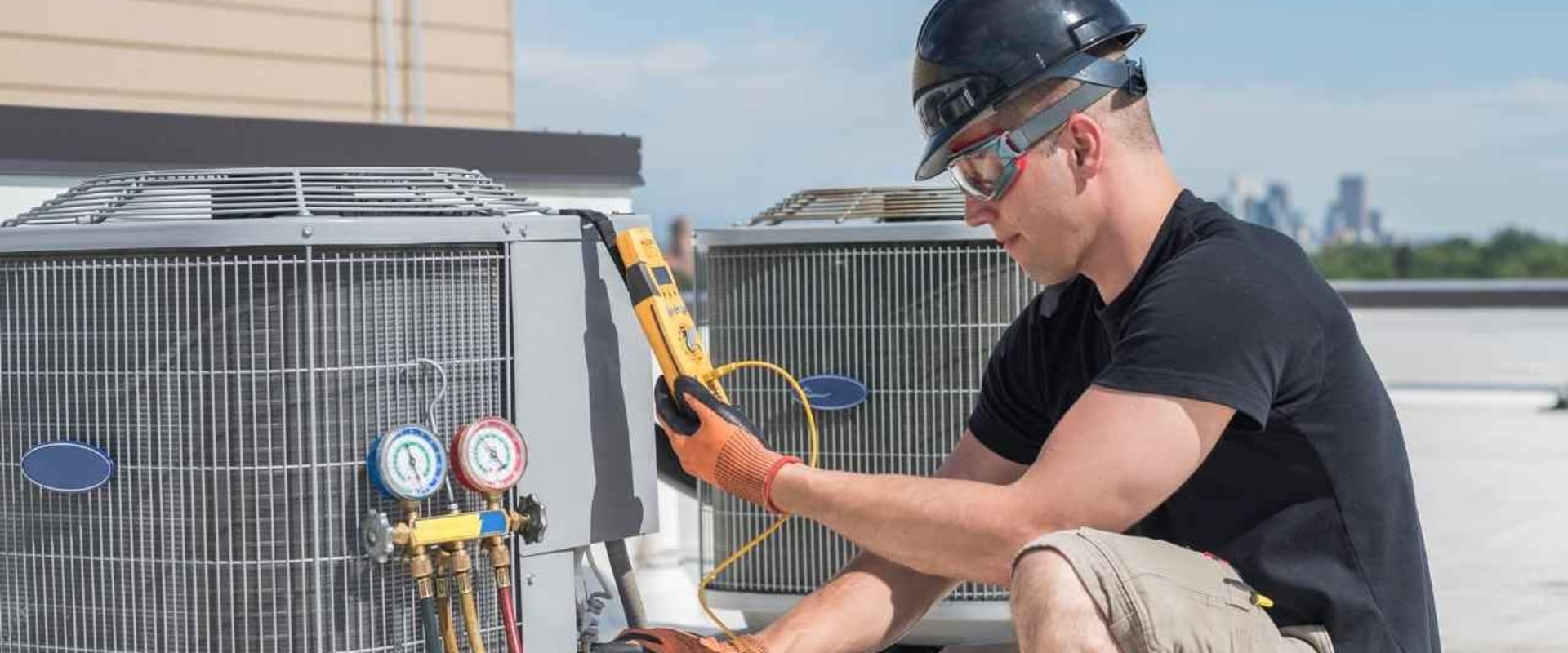
Many commercial buildings use rooftop HVAC systems because they save interior space and simplify large-scale ventilation management. However, rooftop units place additional stress on the roofing system itself. The roof must support the weight of HVAC equipment while also maintaining proper drainage and waterproofing around the installation areas. Over time, flashing, seals, and roofing materials surrounding rooftop units may deteriorate due to vibration, weather exposure, and temperature fluctuations. Companies such as A1 Roofing Services recognize that routine roofing evaluations help identify early warning signs near HVAC installations before leaks or structural damage begin affecting building operations.
Energy Efficiency Requires Coordinated Maintenance
Commercial HVAC efficiency depends heavily on how well the building envelope performs as a whole. Roofing insulation, reflective roof coatings, ventilation systems, and drainage design all influence how much heat enters or escapes from the building. If the roof is poorly maintained, HVAC systems may compensate for energy loss caused by inadequate insulation or moisture-related deterioration. Roofing evaluations performed alongside HVAC inspections can help identify areas where improved insulation, ventilation, or drainage adjustments may reduce heating and cooling costs over time. Coordinated maintenance strategies allow building owners to improve energy efficiency while extending the life of both roofing and HVAC systems.
Preventive Evaluations Reduce Long-Term Repair Costs
Including roofing evaluations in commercial HVAC maintenance plans also helps reduce the risk of unexpected downtime and costly emergency repairs. Small roofing problems that go unnoticed may eventually lead to water damage, indoor air quality issues, or HVAC equipment failures that disrupt daily business operations. Preventive inspections allow contractors to identify drainage concerns, flashing deterioration, roof membrane damage, or ventilation issues before they become larger structural or mechanical problems. By treating roofing and HVAC systems as interconnected parts of the building, property owners can improve long-term performance, reduce maintenance costs, and create healthier, more energy-efficient commercial environments.