Modern HVAC systems are engineered to run with remarkable precision, balancing airflow, heat transfer, refrigerant cycling, and humidity control across a range of indoor conditions. Yet despite advances in equipment efficiency, software-driven controls, and variable-speed components, one deceptively simple factor continues to erode system performance: dirty surfaces. Every HVAC workflow—from intake filtration to coil cooling to duct distribution—relies on clean contact surfaces to move heat and air effectively. When dust, grease, biological debris, or construction particulates accumulate on these surfaces, performance degrades in ways that are rarely visible to occupants but immediately measurable in energy consumption, noise levels, and comfort complaints. The irony is that most maintenance plans emphasize equipment servicing without considering the broader cleaning environment that determines whether the equipment can do its job.
How Dirt Derails Airflow and Heat Transfer
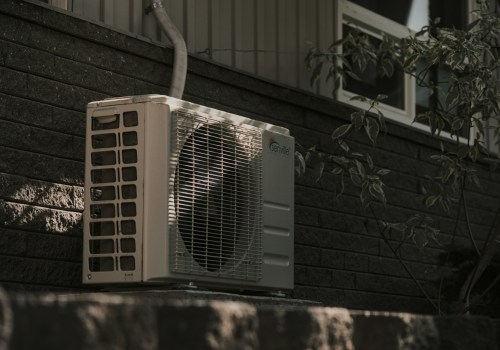
The most intuitive performance loss begins at the filter. Clogged filters reduce static pressure and restrict airflow through evaporator and condenser coils. When air volume drops, coils struggle to exchange heat, prompting compressors and blowers to run longer cycles. This alone can reduce Seasonal Energy Efficiency Ratio (SEER) and Heating Seasonal Performance Factor (HSPF) ratings far below manufacturer specifications. But beyond filters, coils themselves are vulnerable. Even a thin film of dust on an evaporator coil acts as insulation, slowing thermal transfer and encouraging coil freeze-ups that disrupt refrigerant flow. Conversely, condenser coils coated with pollen, grease, or urban particulates shed heat less efficiently, driving up head pressure and stressing compressors.
Ductwork, Registers, and Surfaces Beyond the Unit
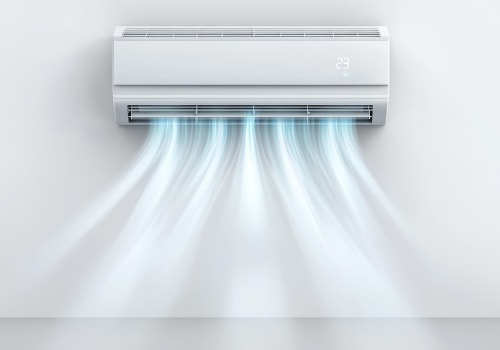
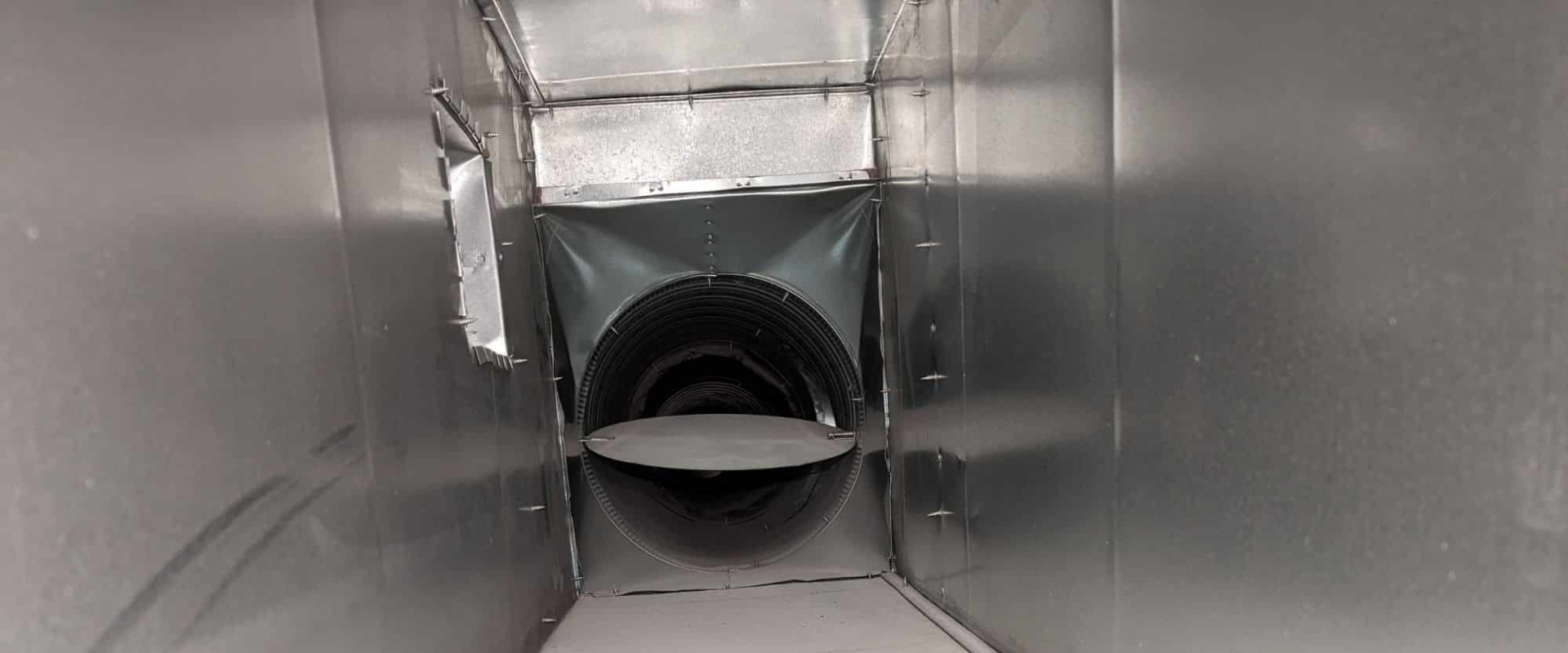
Efficiency losses also occur downstream in the distribution system. Supply registers coated with grime or oil—common in kitchens, workshops, and commercial spaces—narrow effective discharge openings, altering velocity profiles and creating noise. Duct interiors coated with dust or microbial films compromise laminar airflow and introduce friction losses that force blowers to work harder. In homes or offices where dusting and surface cleaning are inconsistent, recirculated particulates accumulate quickly and redeposit across mechanical components. This creates a self-reinforcing cycle: dirty interiors shed debris into airflows that then recoat coils, registers, and sensors. Even thermostats suffer; dust accumulation can impair temperature sensing, prompting erratic cycles that waste energy.
Humidity Control and IAQ Consequences
Dirty surfaces also interfere with latent heat removal—the process by which HVAC systems manage humidity. Moisture condenses on evaporator coils, and any accumulation of biofilm or dust changes surface tension and drainage patterns. Poor drainage leads to standing water in drain pans, increasing microbial growth and foul odors while lowering dehumidification efficiency. Higher indoor humidity reduces comfort, encourages mold growth in walls and furnishings, and forces cooling systems to run longer to compensate.
Cleaning as a Performance Strategy
Viewed through this lens, surface cleaning is not merely an aesthetic task but an integral part of HVAC optimization. Facilities that coordinate janitorial services with mechanical maintenance consistently achieve better performance outcomes because both airflow pathways and thermal surfaces remain unobstructed. Commercial real estate illustrates this dynamic clearly; routine work performed by office cleaners reduces particulate burdens in return air streams, protecting coils, sensors, and fans from unnecessary fouling.
The Cost of Neglect
When surfaces remain dirty, utility bills rise, equipment lifespans shrink, and indoor air quality deteriorates. By integrating cleaning into HVAC strategy rather than treating it as an afterthought, homeowners and building managers can preserve efficiency, safeguard comfort, and reduce premature equipment replacement. In an era of rising energy costs and heightened IAQ awareness, cleanliness is no longer optional—it is part of the mechanical system itself.