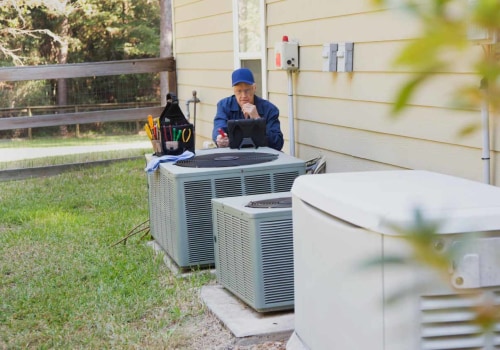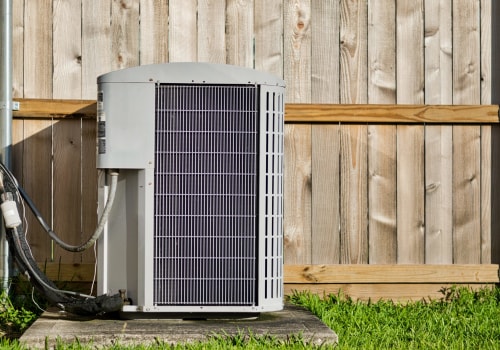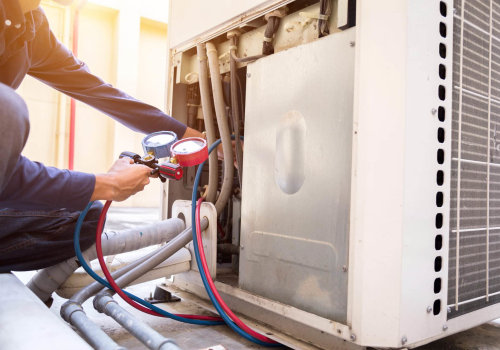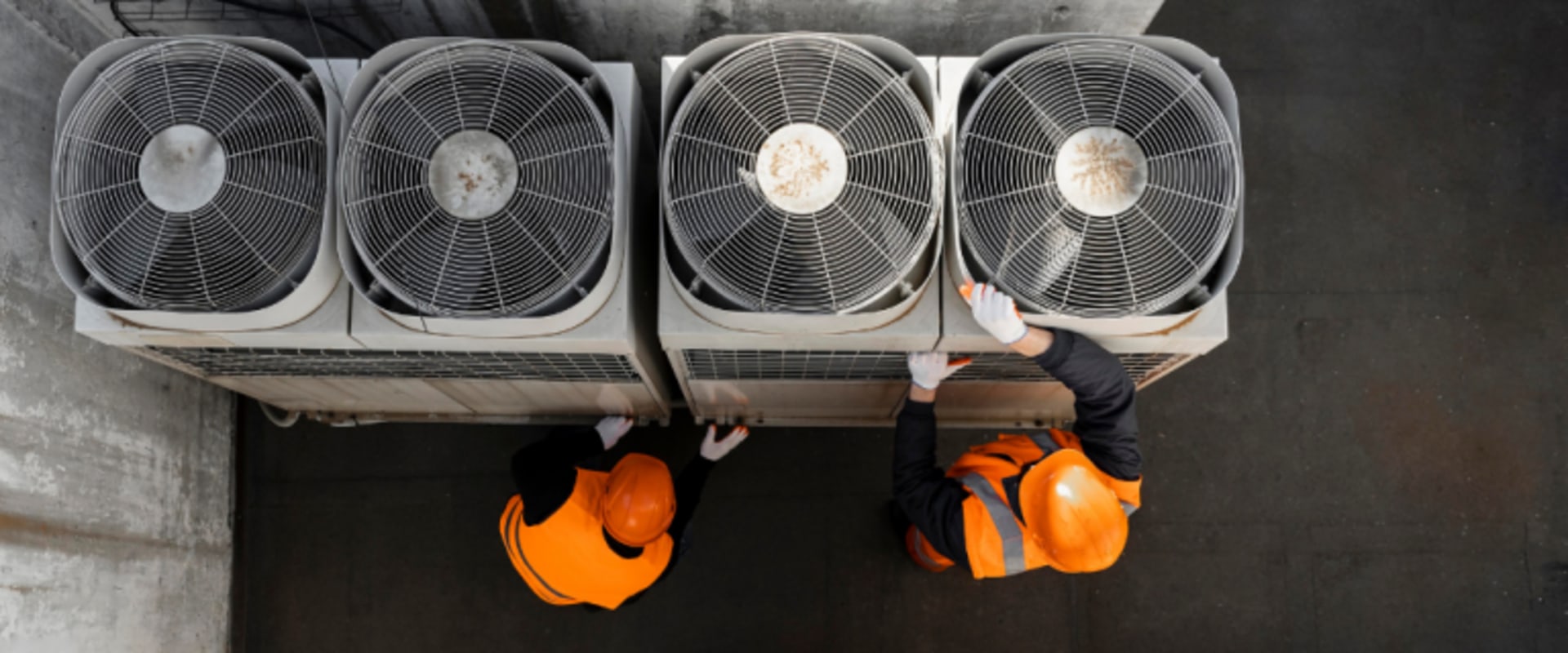
Avoiding common household issues often starts with consistent HVAC maintenance and thoughtful coordination with other utility systems. Heating, ventilation, and air conditioning systems are central to maintaining indoor comfort, but they also interact closely with electrical and plumbing components throughout a home. When HVAC systems are neglected, problems such as uneven temperatures, rising energy bills, and poor air quality can quickly emerge. Routine inspections, filter replacements, and system tune-ups help ensure that equipment runs efficiently and reduces the likelihood of unexpected breakdowns. More importantly, preventive maintenance allows homeowners to identify small issues—like minor leaks or electrical inconsistencies—before they escalate into costly repairs. By making HVAC upkeep a regular priority, homeowners can create a more stable and reliable living environment.
Coordinating HVAC with Electrical Systems
HVAC systems rely heavily on a home’s electrical infrastructure, making coordination between these systems essential for long-term performance. Faulty wiring, overloaded circuits, or power surges can disrupt HVAC operation and even damage expensive components. Integrating protective measures, such as whole house surge protection in Sugar Land, into the home’s electrical setup can safeguard HVAC units from unexpected voltage spikes. Additionally, ensuring that circuits are properly sized and dedicated to HVAC equipment prevents strain on the system and reduces the risk of outages. When electrical planning is aligned with HVAC needs, the result is a more efficient system that operates smoothly under varying conditions. This level of coordination not only enhances performance but also extends the lifespan of key equipment, saving homeowners time and money in the long run.
The Role of Plumbing and Airflow Management
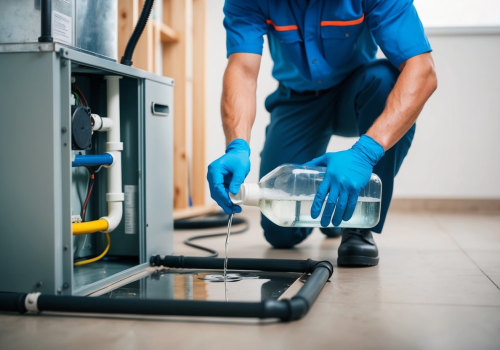
Plumbing systems also play an indirect but important role in HVAC performance, particularly when it comes to moisture control and airflow. Condensate lines, for example, are responsible for removing excess moisture generated by air conditioning systems. If these lines become clogged or improperly installed, they can lead to water damage, mold growth, or reduced system efficiency. Proper drainage and ventilation must be maintained to ensure that HVAC systems can regulate humidity effectively. Additionally, airflow throughout the home can be impacted by structural and plumbing layouts, making it important to consider how these elements interact. Coordinated planning between HVAC and plumbing systems ensures that air circulation remains consistent and that moisture-related issues are minimized, contributing to a healthier indoor environment.
Long-Term Benefits of Integrated Utility Planning
When HVAC maintenance is paired with comprehensive utility coordination, homeowners can avoid many of the common issues that affect comfort and efficiency. This integrated approach reduces the likelihood of system failures, improves energy efficiency, and enhances overall home performance. It also makes future upgrades or repairs more straightforward, as systems are already designed to work together seamlessly. Over time, this level of planning leads to lower maintenance costs, increased property value, and greater peace of mind. Rather than addressing problems as they arise, homeowners who prioritize both HVAC care and utility coordination can enjoy a proactive strategy that keeps their homes running smoothly year-round.