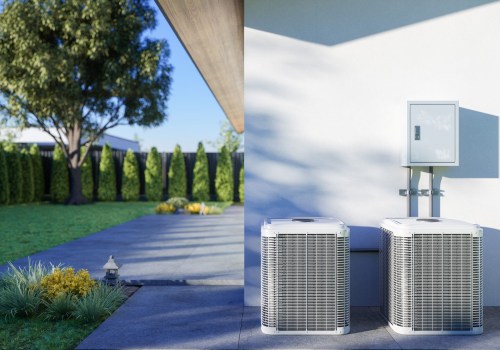
HVAC maintenance is essential for keeping a home comfortable, energy-efficient, and free from unexpected system failures. While most homeowners focus on changing air filters or checking thermostat settings, one of the most critical yet overlooked components is the system’s drain line. This small but vital part is responsible for removing condensation produced during the cooling process. When functioning properly, it helps maintain indoor air quality and prevents moisture from accumulating within the system. However, when neglected, clogged drain lines can lead to a range of issues that affect both the HVAC unit and the surrounding home environment.
Why Keeping Drain Lines Clear Matters
Clear drain lines are crucial for ensuring that condensation flows away from the HVAC system without obstruction. Over time, algae, mold, dirt, and debris can build up inside the line, creating blockages that prevent proper drainage. When this happens, water can back up into the system, potentially causing leaks, water damage, and even system shutdowns. In severe cases, standing water can lead to mold growth, which negatively impacts indoor air quality and poses health risks to occupants. Regular maintenance, including flushing and inspecting drain lines, helps prevent these issues and keeps the HVAC system running smoothly.
Preventing Water Damage and System Failures
Clogged drain lines can have far-reaching consequences beyond the HVAC unit itself. Water overflow can damage ceilings, walls, and flooring, leading to costly repairs. Additionally, excess moisture can create an environment that attracts pests or promotes the growth of harmful bacteria. Addressing drainage issues early is key to avoiding these problems. In some cases, homeowners dealing with broader drainage concerns may also encounter issues that require services like trenchless sewer repair in Arlington, highlighting the importance of maintaining all water-related systems in the home. By keeping HVAC drain lines clear, homeowners can prevent minor issues from escalating into major disruptions.
Best Practices for Maintaining Drain Lines
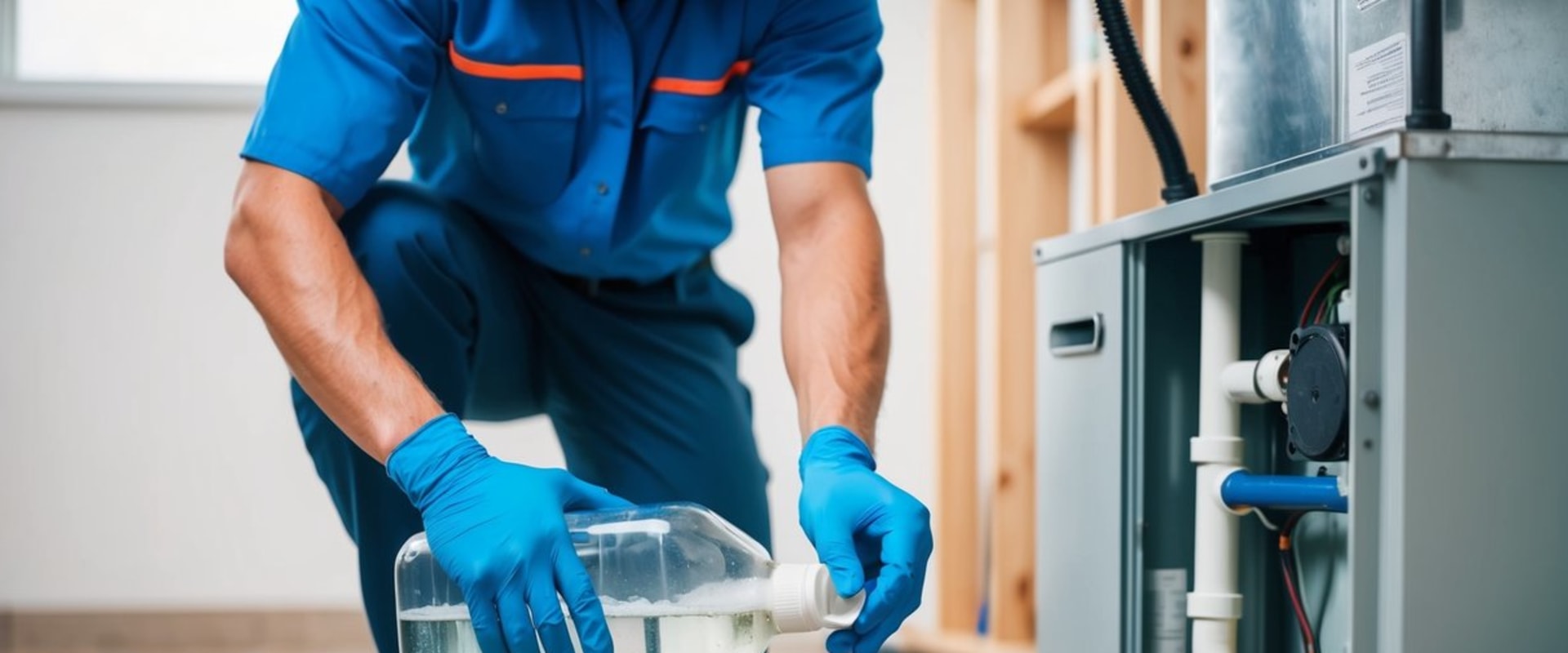
Maintaining HVAC drain lines does not have to be complicated, but it does require consistency. Homeowners should schedule regular inspections, especially before peak cooling seasons, to ensure that the system is functioning properly. Simple practices such as pouring a cleaning solution through the drain line or using a wet/dry vacuum to remove blockages can help keep it clear. Professional maintenance services can also provide thorough cleaning and identify potential issues that may not be visible during routine checks. By incorporating these practices into a regular maintenance routine, homeowners can extend the lifespan of their HVAC system and improve overall performance.
Long-Term Benefits of Proper HVAC Care
Investing in HVAC maintenance, particularly keeping drain lines clear, offers significant long-term benefits. It enhances system efficiency, reduces energy costs, and minimizes the risk of unexpected breakdowns. More importantly, it protects the home from water damage and maintains a healthier indoor environment. By taking a proactive approach to maintenance, homeowners can ensure that their HVAC system operates reliably and efficiently throughout the year. Ultimately, paying attention to small details like drain line care can make a substantial difference in the comfort, safety, and longevity of a home.