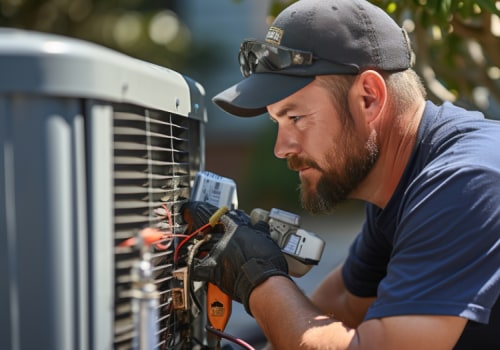
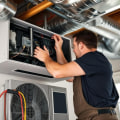
A heating, ventilation, and air conditioning (HVAC) system is one of the hardest-working components of any home, providing year-round comfort regardless of the season. However, many homeowners unknowingly shorten the lifespan of their systems by overlooking basic maintenance tasks. One of the most common mistakes is skipping routine inspections and preventative maintenance. Even if the system appears to be operating normally, small issues such as loose electrical connections, worn belts, refrigerant leaks, or dirty coils can develop over time without obvious warning signs. When left unaddressed, these minor problems can lead to reduced efficiency, higher energy bills, unexpected breakdowns, and expensive repairs. Scheduling regular professional maintenance helps identify potential concerns early while ensuring that every major component continues operating safely and efficiently.
Neglecting Air Filter Replacement
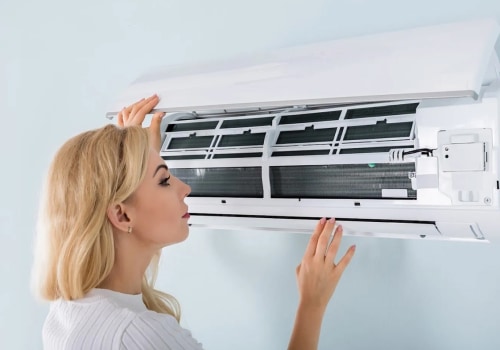
Another frequent maintenance mistake is failing to replace or clean HVAC air filters on a regular basis. Dirty filters restrict airflow, forcing the system to work harder to maintain the desired indoor temperature. As airflow decreases, heating and cooling performance suffers, energy consumption increases, and additional strain is placed on the blower motor and other mechanical components. In severe cases, clogged filters can contribute to frozen evaporator coils or overheating during heating cycles. Most manufacturers recommend checking filters monthly and replacing them according to usage, indoor air quality conditions, and the type of filter installed. This simple maintenance task is one of the easiest and most cost-effective ways to improve system performance while extending equipment life.
Ignoring Outdoor Unit Maintenance
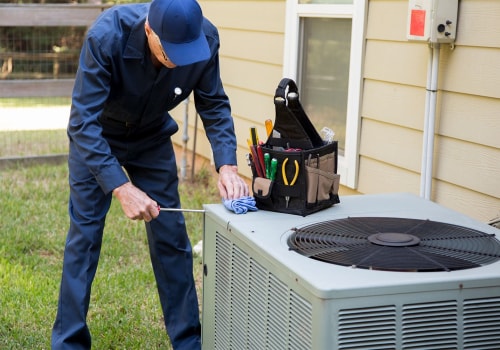
Many homeowners focus only on indoor HVAC components while forgetting that the outdoor condenser unit also requires regular attention. Leaves, grass clippings, dirt, branches, and other debris can accumulate around the condenser, restricting airflow and reducing cooling efficiency. Allowing shrubs or landscaping to grow too close to the unit can create additional airflow restrictions that force the system to operate longer than necessary. Homeowners should periodically inspect the outdoor unit, remove debris from the surrounding area, and maintain adequate clearance to promote proper ventilation. While basic cleaning can often be performed safely by homeowners, deeper maintenance involving electrical components, refrigerant levels, or internal cleaning should be handled by experienced HVAC professionals such as Creighton Laircey Co. Inc. to ensure the system is serviced correctly and safely.
Overlooking Warning Signs
Waiting until an HVAC system completely fails before seeking professional assistance is another mistake that can lead to more extensive and costly repairs. Unusual noises, inconsistent temperatures, unpleasant odors, short cycling, excessive humidity, weak airflow, or unexplained increases in utility bills often indicate developing mechanical problems. Ignoring these warning signs allows components to deteriorate further, increasing the likelihood of major equipment failures. Prompt inspections and timely repairs not only restore comfort more quickly but can also prevent damage to related system components. Paying attention to changes in system performance helps homeowners address issues before they escalate into emergency situations.
Protecting Long-Term HVAC Performance
Proper HVAC maintenance is about more than responding to problems—it involves establishing consistent habits that keep the system operating efficiently throughout the year. In addition to replacing filters and scheduling professional inspections, homeowners should keep supply and return vents unobstructed, seal air leaks around doors and windows, maintain proper thermostat settings, and ensure adequate insulation throughout the home. These practices reduce unnecessary strain on heating and cooling equipment while improving indoor comfort and lowering energy costs. By avoiding common maintenance mistakes and investing in regular preventative care, homeowners can extend the lifespan of their HVAC systems, improve energy efficiency, reduce repair expenses, and enjoy reliable indoor comfort in every season. A proactive approach to maintenance ultimately protects both the equipment and the long-term value of the home.